The Hidden Superfood from the Rice Fields: Discovering the Health Benefits of Rice Field Eel
A nutritious and underrated source of protein, minerals, and traditional healing benefits from Southeast Asia’s muddy fields.

🐍 What is a Rice Field Eel?
Rice field eel (Monopterus albus) is a type of freshwater eel commonly found in the rice paddies and shallow waters across Asia, especially in countries like Indonesia, Thailand, China, and Vietnam. Despite its humble appearance and muddy habitat, this slippery creature has been valued for centuries as a food source and traditional remedy.
Physical Characteristics:
1. Body Shape: Rice field eels have a long, slender body, like a snake.
2. Scales: Rice field eels do not have visible scales, but they do have slippery and moist skin.
3. Color: Rice field eels have a blackish-brown or brownish-gray color.
4. Size: Rice field eels can grow up to 1 meter in length.
Habitat:
1. Rice fields: Rice field eels live in rice fields and other shallow waters, such as ditches and waterways.
2. Shallow Waters: Rice field eels can live in shallow waters with a depth of less than 1 meter.
3. Clay: Rice field eels prefer to live in clay or muddy soils.
Food:
1. Invertebrates: Rice field eels feed on invertebrates such as earthworms, snails, and aquatic insects.
2. Small Fish: Rice field eels also eat small fish and other aquatic animals.
Reproduction:
1. Mating Season: Rice field eels have different mating seasons depending on the location and environmental conditions.
2. Eggs: Rice field eels lay eggs in nests made in soil or aquatic vegetation.
🌿 Nutritional Content of Rice Field Eel
Rice field eel is packed with nutrients that are beneficial for overall health, including:
-
High-quality protein – Supports muscle repair and growth.
-
Iron – Helps prevent anemia and boosts red blood cell production.
-
Vitamin A – Promotes eye health and immune function.
-
Vitamin B complex – Supports energy metabolism and nerve function.
-
Calcium and Phosphorus – Essential for healthy bones and teeth.
-
Omega-3 fatty acids – Supports heart health and brain function.
💪 Health Benefits of Rice Field Eel
-
Boosts Energy and Stamina
Rich in protein and B vitamins, eel meat is often recommended as a stamina booster. In many cultures, it’s even considered an aphrodisiac food. -
Supports Blood Health
Thanks to its high iron content, rice field eel helps prevent iron-deficiency anemia and supports better blood circulation. -
Strengthens Bones
The calcium and phosphorus in eel contribute to bone density and may help prevent conditions like osteoporosis. -
Promotes Healthy Vision
Vitamin A in eel supports healthy eyes and may help reduce the risk of night blindness. -
Improves Brain and Heart Function
Omega-3 fatty acids are known for their role in enhancing cognitive function and reducing the risk of cardiovascular disease. Local Food
Rice field eel is a popular local food in several regions of Asia. Therefore it also have high economic value as a fishery commodity.
🍽️ How to Prepare and Enjoy Rice Field Eel
In Southeast Asia, rice field eel is commonly served in a variety of traditional dishes:
-
Grilled or Fried: Marinated with spices and grilled or deep-fried until crispy.
-
Soups and Stews: Cooked in herbal broths for added health benefits.
-
Sauteed or Stir-fried: Combined with vegetables and chili for a flavorful meal.
Tip: Clean eel thoroughly before cooking to remove any muddy taste.
⚠️ Things to Note
-
Pregnant women and people with high cholesterol should consume in moderation.
-
Always cook eel thoroughly to avoid parasites or harmful bacteria.
Processing Tips:
1. Fried: Rice field eels can be fried as a delicious snack.
2. Satay: Rice field eels can be made into satay with special spices.
3. Soup: Rice field eels can be made into delicious and nutritious soups.
In general, the eel consumed is believed to help prevent infections and improve memory. But in fact, the benefits of eel are more than that.
Other benefits :
- High protein content like meat in general
- Provides calories as a source of energy for the body
- Provides a high enough amount of iron
- Can provide a wide range of vitamins.
- Good for skin
- Can be used as a substitute for breast milk in children
- Repairs body cells and tissues
- Beneficial for bones
- Prevents red blood cell deficiency
- Maintain digestive health
- Good for brain and nerve health
- Good for the immune system
Thus, rice field eel is a unique freshwater fish species and has high economic value.
RECIPE FOR THE BEETROOT
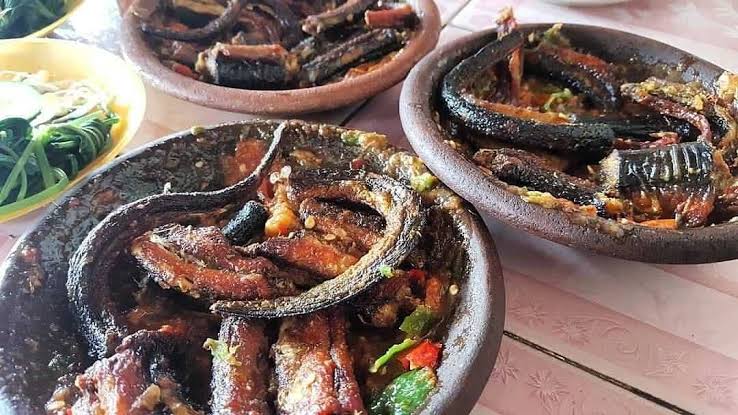
Material:
- 500 grams of eel, cleaned and cut into pieces
- 5 cloves shallots, sliced
- 3 cloves garlic, sliced
- 2 red chilies, sliced
- 1 slice ginger, geprek
- 1 galangal segment, geprek
- 2 bay leaves
- 1 teaspoon shrimp paste
- 1 teaspoon salt
- 1/2 teaspoon granulated sugar
- 100 ml air
- Cooking oil for stir-frying
How to cook :
1. Sauté the onion, garlic, red chili, ginger, and galangal until fragrant.
2. Add bay leaves and shrimp paste, stir well.
3. Add the eel, stir well with the spices.
4. Add salt, sugar, and water. Cook until the eel is cooked through and the seasoning is absorbed.
5. Serve pecak welut with warm rice.
Tips:
- Be sure to clean the eel well before cooking.
- Adjust the amount of red chili to your spicy taste.
- Pecak welut can be served with additional chili sauce or sweet soy sauce.
🌾 Final Thoughts
Rice field eel may not be the most glamorous ingredient on the menu, but it packs a powerful punch when it comes to nutrition and traditional healing. This humble superfood from the rice paddies deserves more attention for its role in maintaining health, boosting energy, and supporting beauty from the inside out.
Next time you're looking for a natural protein source with healing properties, don't overlook the rice field eel—it might just be your new favorite secret ingredient.
✅ SEO Keywords:
rice field eel benefits, Monopterus albus nutrition, traditional Asian superfoods, natural stamina booster, eel for bone health, natural iron-rich foods, rice paddy eel, Southeast Asian health foods
Good luck!

No comments:
Post a Comment